

Summer travel can make long trips feel more complicated—especially when you’re coordinating a medically supported, non-emergency move for a loved one. If you’re worried about medical transport heat risks (comfort, hydration routines, medication timing, and overall tolerance for a long ride), you’re not overthinking it—you’re planning like someone who’s done this before. This guide is for families, caregivers, and discharge planners arranging long-distance, non-emergency medical patient transportation over 300 miles.
The goal isn’t to “tough it out.” It’s to reduce avoidable stress by matching the trip plan to the patient’s existing care routine and mobility needs. For a broader foundation on the overall process, see Understanding Long-Distance Medical Patient Transport.
Bottom Line Upfront: Heat-Smart Planning
- Plan for comfort first: heat can amplify fatigue, nausea, confusion, and restlessness during long rides—even when everything else is well organized.
- Keep the care plan consistent: the safest approach is maintaining existing medication, feeding, hydration, oxygen, and repositioning routines during the trip.
- Choose timing that reduces exposure: avoid schedules that require long waits outside facilities or extended loading/unloading in direct sun.
- Confirm mobility logistics early: non-ambulatory needs, transfer assistance, and stretcher positioning are easier when planned before pickup day.
- Pack a “heat-ready” go-bag: simple items (approved by the patient’s care plan) can prevent last-minute scrambling.
How Summer Heat Changes a Non-Emergency Long-Distance Trip
Heat doesn’t just make a vehicle feel warm—it can change how a patient tolerates a long day of transport. In summer, the risk is often logistical: longer facility check-out lines, more traffic, more stops, and more time moving between climate-controlled spaces. Those extra minutes can matter for someone who’s bed-bound, has cognitive impairment, uses oxygen, or needs scheduled turning.
For long-distance, non-emergency medical patient transportation, “heat planning” typically means building a trip around predictable needs: maintaining the patient’s prescribed routine, keeping transitions efficient, and avoiding unnecessary exposure during transfers. It also means confirming that everyone involved (family, facilities, and transport team) is aligned on what the patient can and can’t tolerate.

Why Timing Matters When Temperatures Climb
When heat is a factor, delays tend to cost you twice: they add discomfort now and can disrupt the care rhythm later. A late pickup can cascade into missed facility handoffs, rushed paperwork, or arriving after a receiving facility’s preferred intake window. Even if the patient is stable, a long day can be exhausting—especially for those with dementia, swallowing precautions, or strict feeding schedules.
Budget can be affected too, not necessarily from the transport itself, but from the surrounding logistics: extra caregiver hours, last-minute lodging changes, or rescheduled appointments. The most practical “savings” often comes from preventing avoidable schedule friction and keeping the day predictable.
Heat-Season Mistakes to Avoid (Quick Checklist)
- Waiting to confirm the discharge/pickup window: summer staffing and higher travel volume can create slower handoffs and longer waits.
- Forgetting the “outside minutes”: parking lot transfers, curbside loading, and entrance-to-room distance can add heat exposure you didn’t plan for.
- Packing without a care-plan lens: bringing items that don’t match the patient’s prescribed routine can create confusion and delays.
- Not coordinating with the receiving facility: intake timing, paperwork requirements, and room readiness can make or break a smooth arrival.
- Assuming the patient will sleep through it: heat and long-duration sitting/lying can increase restlessness, especially with cognitive impairment.
- Overloading the travel companion role: one family member may ride along, but they shouldn’t be expected to manage complex logistics alone.
Your Summer-Ready Preparation Plan
- Request the patient’s current care plan details in writing: medication schedule, feeding routine, hydration approach, oxygen needs, and repositioning frequency.
- Confirm mobility and transfer needs: non-ambulatory status, assistance level, and whether a forward-facing stretcher position is preferred for comfort.
- Choose a pickup time that minimizes outdoor waiting: aim for a schedule that reduces time at curbs, entrances, and facility lobbies.
- Create a one-page “transport snapshot”: diagnoses aren’t necessary—focus on routines, precautions, allergies (if applicable), and who to call for decisions.
- Pack a practical go-bag: spare clothing, incontinence supplies if used, wipes, light blanket, approved snacks/diet items, and entertainment options.
- Confirm communication expectations: who receives updates, how often, and who will coordinate with sending/receiving facilities.
- Plan for stops without improvising: identify what the patient typically needs at intervals (repositioning, brief checks, comfort adjustments) so the day stays calm.
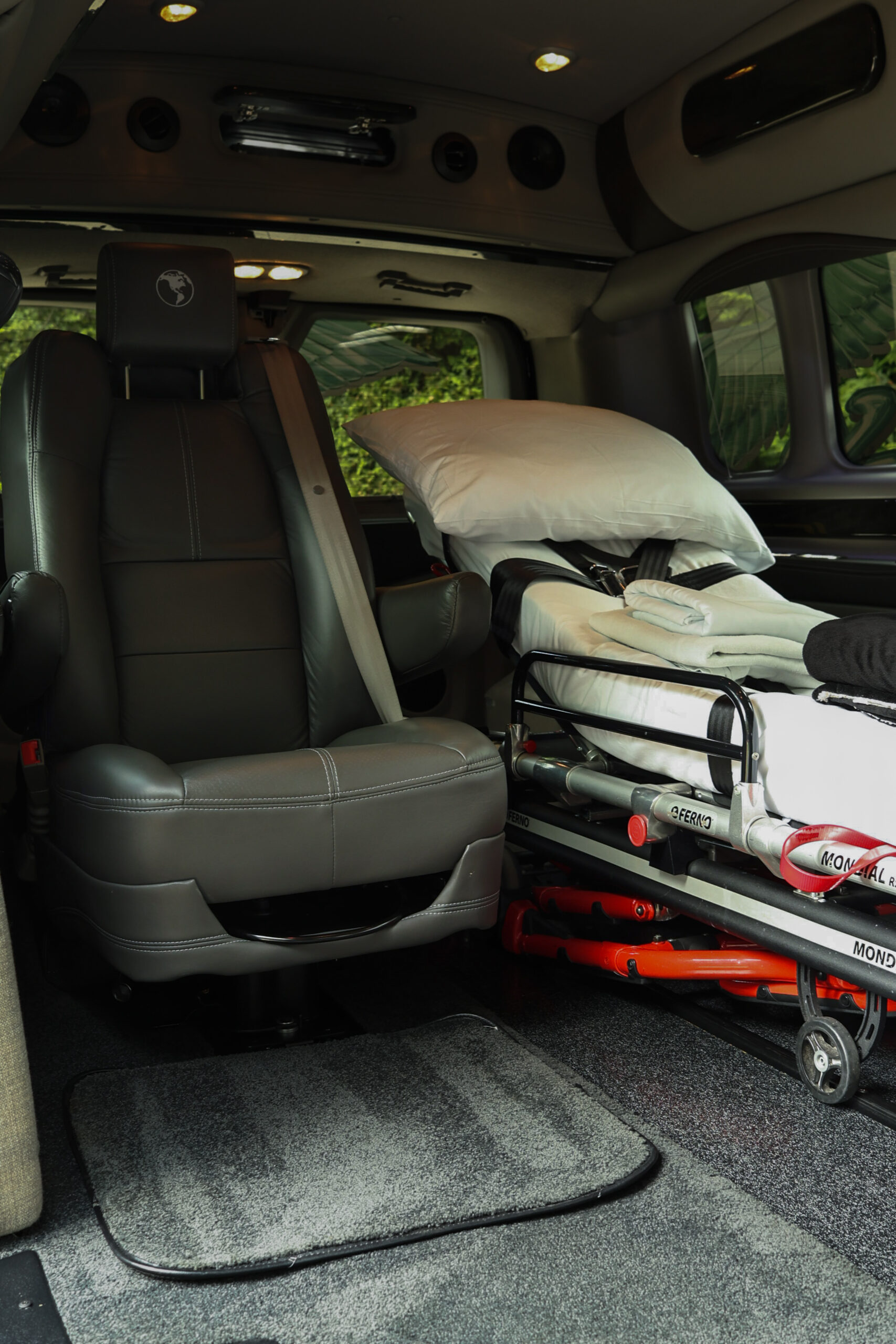
Professional Insight: The “Calm Day” Is Usually the Most Planned Day
In practice, we often see that the smoothest summer transports aren’t the ones with the shortest distance—they’re the ones where the family and facilities align early on timing, paperwork, and the patient’s routine. When everyone agrees on the plan before pickup, heat becomes a manageable factor instead of a constant surprise.
When It’s Time to Ask for Professional Support
- The patient is non-ambulatory or bed-bound: long-distance movement and transfers are harder to do safely without a dedicated plan.
- There are strict routines that can’t slip: scheduled meds, tube feeding, oxygen requirements, or frequent repositioning.
- Cognitive impairment is present: dementia-related anxiety or confusion can worsen with long, unfamiliar travel days.
- The trip crosses state lines or the US-Canada border: added paperwork and timing coordination can increase complexity.
- You’re coordinating between two facilities: discharge timing, receiving intake windows, and documentation can create bottlenecks.
Your Questions, Answered
How do I reduce summer-related discomfort on a long medical trip?
Focus on logistics: pick a schedule that limits outdoor waiting, keep the patient’s existing routine consistent (meds/feeding/hydration/oxygen), and pack supplies that match the care plan.
Is this type of service the same as an on-demand medical rideshare?
No. Long-distance, non-emergency medical patient transportation is typically scheduled and planned around mobility needs and care continuity, rather than being an on-demand ride.
What information should I have ready before booking?
Have the pickup and destination details, the patient’s mobility status, and the current prescribed routine (medications, feeding, hydration, oxygen, and repositioning needs). Also note any dietary precautions.
Can a family member ride with the patient?
In many long-distance, non-emergency medical patient transports, one family member may be permitted to ride along. Confirm the specific policy when you schedule.
What should I do if the patient’s condition changes close to travel day?
Contact the discharging or supervising clinician and the transport provider to discuss whether the trip is still appropriate as a non-emergency move and whether the existing care plan needs updated documentation.
Where to Go from Here
Summer planning works best when you treat heat like a schedule and comfort variable—not a last-minute surprise. Align the care routine, confirm mobility logistics, and choose timing that reduces outdoor exposure during transitions. With the right preparation, a long-distance, non-emergency medical trip can be calmer for the patient and less stressful for the family.
Book Your Consultation
Schedule a free consultation with our experts.